The Dehydration Trap: Why Chugging Pure Water Might Be Making You Thirstier
Walk across any college campus or step into a modern office, and you will see the same thing: people carrying massive, clear gallon jugs or insulated bottles of pure water. We chug water between classes and meetings, believing that more water automatically equals better focus, clearer skin, and peak athletic performance.
But here is a truth that most people wish they knew sooner: chugging pure water from a clear bottle can actually make your dehydration worse.
It sounds like a paradox, but the biology of human hydration is very specific.
True hydration is not simply about how much water you pour into your stomach. It is about how much of that water actually crosses your cell membranes and enters your cells. To make that happen, you need more than just H2O. You need electrolytes.
Here is the science of cellular hydration, why chugging pure water dilutes your system, and how to hydrate smarter for better energy and focus.
The Lock and Key Analogy of Hydration
To understand how water enters your cells, it helps to use a simple lock and key analogy.
In this analogy, water is the key. Your cells are locked doors, and your cells need water inside them to function properly. But to unlock the door and let the water in, you must have the correct locks.
In your body, those locks are electrolytes: minerals like sodium, potassium, and magnesium.
Without these minerals present in the fluid surrounding your cells, the water keys simply slide off the door. Instead of entering your cells to keep you hydrated, the water remains in your bloodstream, eventually traveling to your kidneys to be excreted.
The Dilution Effect: When Water Dehydrates You
When you chug large amounts of pure, mineral-free water throughout the day, you flood your extracellular space. This excess water dilutes the concentration of sodium and other essential minerals outside your cells.
This triggers a metabolic chain reaction:
- Osmotic Disbalance: To balance the mineral concentration, your body stops water from entering your cells.
- The Flushing Loop: Your kidneys detect the low concentration of sodium in your blood and quickly filter out the excess water to restore balance, flushing valuable minerals out in your urine.
- Cellular Dehydration: Despite drinking liters of water, your cells remain thirsty.
This is why you can drink water all day long and still experience classic dehydration symptoms, such as a dry mouth, persistent thirst, fatigue, afternoon headaches, or mild dizziness.
Simple Fixes for Smarter Hydration
You do not need to stop drinking water, but you do need to make sure your body has the mineral locks to absorb it. Here are a few simple ways to improve your cellular hydration:
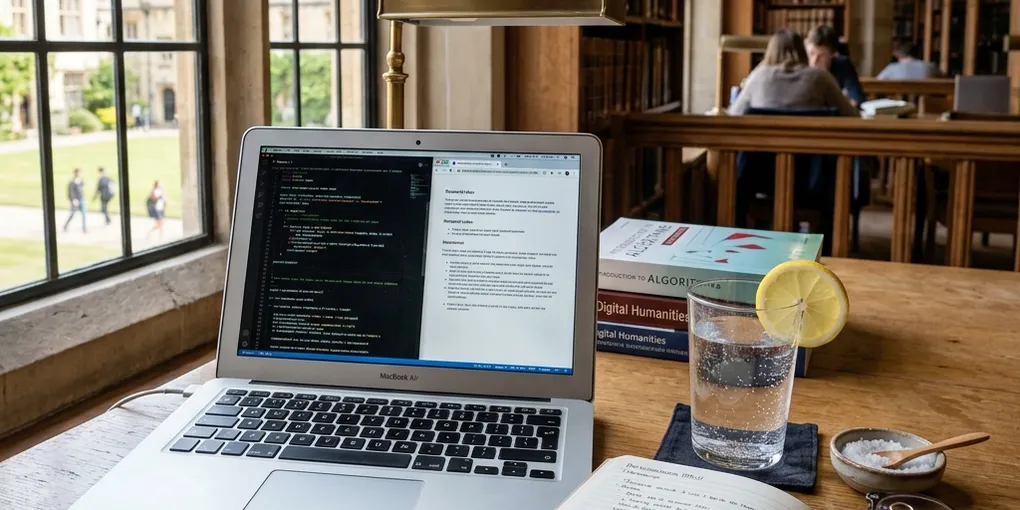
- Add a Pinch of Salt: Adding a tiny pinch of high-quality sea salt (like Celtic or Himalayan salt) to your water bottle provides a trace amount of sodium to assist cellular uptake.
- Squeeze Some Lemon: A squeeze of fresh lemon adds potassium and improves the taste without adding artificial sugars.
- Use an Electrolyte Supplement: If you are sweating heavily, drinking coffee, or struggling with low energy, a dedicated electrolyte mix can make a massive difference.
If you are looking for a convenient, science-backed way to keep your cells hydrated, you can use this electrolyte hydration supplement on Amazon. It provides a balanced ratio of sodium, potassium, and magnesium to unlock your cells and maximize water absorption without the sugar crashes of traditional sports drinks.
Bottom Line: Drink Quality, Not Just Quantity
Hydration is a quality game, not a volume game. Drinking liters of pure water might make you feel productive, but without the mineral cofactors, you are simply stressing your kidneys and flushing out nutrients.
Start prioritizing electrolytes. Drink smart, feed your cells the minerals they need, and unlock your natural energy.