Beyond Protein: Why 'Fiber-Maxing' is the Ultimate Metabolic Hack
Step into any gym, scroll through wellness social media, or walk down the grocery store aisles, and you will see one word everywhere: protein. We’ve been conditioned to believe that protein is the single key to muscle growth, satiety, and metabolic health.
But while everyone is obsessed with hitting their protein targets, they are completely ignoring the true metabolic secret of 2026: Fiber-Maxing.
If you struggle with constant blood sugar swings, find yourself fighting a mid-afternoon energy crash that ruins your productivity, or simply want a sustainable, evidence-based metabolic foundation that actually lasts, this is the article you need to read.
Fiber-Maxing isn’t a quick-fix fad. It’s a biological mechanism that alters how your body processes energy. Here is the science of how fiber changes your metabolic math, and how to start doing it today.
The Physics of Fiber: The Soluble Gel Shield
To understand why fiber is so powerful, we have to look at what happens in your digestive tract when you eat.
There are two main types of fiber: insoluble and soluble. While insoluble fiber (found in wheat bran and vegetable skins) adds bulk to your stool and keeps things moving, soluble fiber is where the metabolic magic happens.
When soluble fiber (found in oats, legumes, chia seeds, and Brussels sprouts) mixes with water in your stomach and intestines:
- It forms a physical gel shield: It swells into a thick, viscous gel-like substance.
- It coats your intestinal walls: This gel creates a temporary, semi-permeable barrier along the lining of your small intestine.
- It slows carbohydrate absorption: Because of this barrier, your digestive enzymes take much longer to break down carbohydrates and starches into glucose.
Without fiber, a carbohydrate-heavy meal dumps sugar into your bloodstream all at once, causing a massive glucose spike followed by a sharp insulin release to clean it up. That rapid drop in blood sugar is what triggers your 3:00 PM brain fog and sugar cravings.
With the soluble fiber shield, the exact same meal releases glucose into your bloodstream slowly and steadily. You get stable, long-lasting energy and no afternoon crash.
The Natural GLP-1 Activator
You have likely heard of modern weight-management medications that mimic a hormone called GLP-1 (glucagon-like peptide-1). GLP-1 is naturally produced by specialized cells in your gut called L-cells. It signals to your brain that you are full, slows gastric emptying (so food stays in your stomach longer), and helps regulate insulin secretion.
What if you could stimulate your L-cells to release more of your body’s own, natural GLP-1?
That is exactly what Fiber-Maxing does. When fiber reaches your colon, your gut bacteria ferment it, producing short-chain fatty acids (SCFAs) like butyrate and propionate. These SCFAs bind to receptors on your L-cells, triggering the release of GLP-1.
By eating enough prebiotic fiber, you are essentially activating your body’s built-in appetite and glucose regulator. It’s not a pharmaceutical magic pill, but it is a natural, mechanical way to control hunger.
The Practical Move: How to Fiber-Max
You don’t need to overcomplicate your diet. To establish a solid metabolic baseline, make these simple shifts:
- Prioritize High-Fiber Whole Foods First: Make vegetables, legumes (lentils, black beans), oats, chia seeds, and psyllium husk the stars of your plate.
- Pair, Don’t Restrict: You don’t have to cut out carbohydrates. Just make sure you pair your carbs and proteins with a solid source of fiber. The fiber shield will slow down the absorption of the carbs, turning a high-glycemic meal into a slow-burning fuel source.
- Add Psyllium Husk: If you struggle to get enough fiber from whole foods alone, stirring a tablespoon of organic psyllium husk powder into a glass of water before your largest meal is a highly effective way to build that soluble gel shield.
The 7-Day Fiber-Maxing Experiment
Want to feel the difference for yourself? Try this simple 7-day experiment and track how your energy levels, focus, and afternoon slumps change:
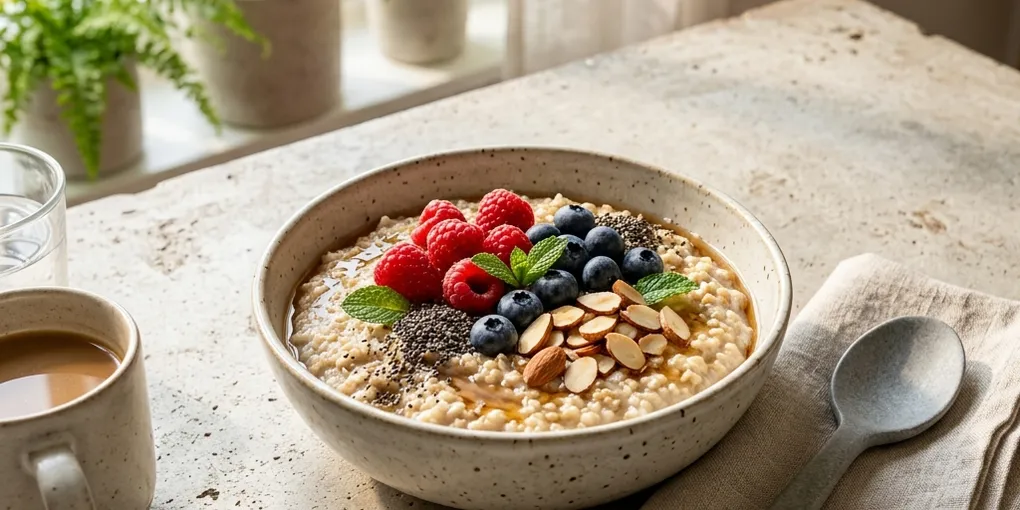
- Day 1: Start the morning with a high-fiber bowl of oatmeal topped with chia seeds.
- Day 2: Swap white rice or pasta for lentils or black beans at dinner.
- Day 3: Add a serving of roasted Brussels sprouts or broccoli to your lunch.
- Day 4: Drink a large glass of water with 1 tbsp of psyllium husk 15 minutes before your largest meal.
- Day 5: Snack on a handful of raspberries and almonds (both excellent fiber sources) instead of processed snacks.
- Day 6: Focus on eating your fiber sources first during your meals before moving to protein and carbs.
- Day 7: Reflect on your energy levels - compare your afternoon alertness to last week.
Fiber-Maxing changes the math of your metabolism. Stop obsessing solely over protein, build your soluble shield, and let your biology do the rest.